

Description
-
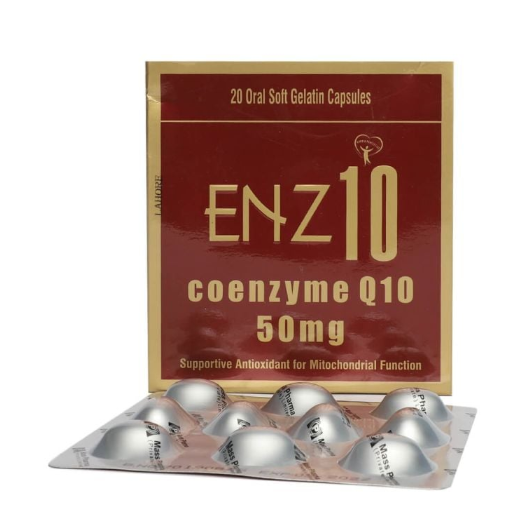
Coenzyme Q10, also known as CoQ10, is a vital compound involved in the body’s energy production process. It performs the crucial role of an electron carrier, contributing to the conversion of food into energy within the mitochondria, often termed the “powerhouse” of the cell. This energy production is essential for supporting all cellular activities such as growth, repair, and maintenance. With its antioxidant properties, CoQ10 helps to neutralize free radicals, which are unstable molecules that can cause cell damage and lead to oxidative stress and inflammation. By maintaining adequate levels of CoQ10, cells are protected and supported to maintain overall health. CoQ10 exists in two forms:
-
Ingredients
Co Enzyme Q -
Drug Class
Nutritional Supplement (also known as Ubiquinone)
-
Dosage Form
Capsule -
Uses
Unveiling its multifaceted uses and transformative applications as follows:
- Supports cardiovascular health and energy production for the heart
- Antioxidant that helps neutralize harmful free radicals
- May help regulate cholesterol and triglyceride levels
- Useful for boosting energy and improving exercise performance
- May help manage the fatigue and muscle weakness associated with mitochondrial diseases
- Potentially helps alleviate migraine frequency and intensity
- Inhibits the oxidation of LDL (bad) cholesterol and boosts mitochondrial functions
-
Dosage
Tailoring Treatment for Optimal Health, Prescribed Medication Dosage is:
- Coenzyme Q10 is a compound that is naturally produced by the body.
- Used by cells to generate energy and protect the heart and brain from damage.
- Crucial to consult a medical professional before taking any new medication or supplement, including Coenzyme Q10.
-
In case of Overdose
Coenzyme Q10, at a concentration of 50 mg, may lead to mild or severe side effects, although instances of overdose are uncommon. If you believe you have experienced an overdose, it is vital to seek immediate medical attention.
-
Missed Dose
Coenzyme Q10 is a medication that if missed, should be taken as soon as possible. However, if it is already time for your next dose, rather than taking double the amount, just continue with your regular schedule. In case you’re uncertain about what to do if you’ve missed a dose, talking to your doctor or pharmacist for guidance is advisable.
-
How To Use
Coenzyme Q10 (CoQ10) is a vitamin-like substance found in every cell of the human body. It plays a vital role in many chemical reactions and produces energy within the cells. CoQ10 is usually ingested in softgel capsule form, and it is most effective to take it with a meal that contains fat. Typical daily doses range from 90-200mg, and it is best to consult a healthcare provider to determine the optimal dosage. It is recommended to take CoQ10 at the same time every day, and it is essential to swallow the softgel capsules whole, with a glass of water. If you have difficulty swallowing, you may chew the softgel. However, individuals should be cautious if they are taking statin drugs, as CoQ10 may interact with certain medications and medications to lower cholesterol. Furthermore, CoQ10 is generally regarded as safe during pregnancy and breastfeeding, but it is always best to consult a healthcare provider to ensure suitability. Usually, CoQ10 does not cause any issues, but it may occasionally cause digestive issues such as heartburn, nausea, or diarrhea. In case any unusual symptoms develop, or for any concerns, it is advisable to consult a healthcare provider.
-
When Not to Use
Discerning instances where this medication may not be appropriate:
- Are allergic to coenzyme Q10, ubiquinone, or any other ingredients in the supplement.
- Have any medical conditions, especially those impacting the kidneys, liver, or heart. Coenzyme Q10 is fat-soluble and can accumulate in these organs.
- Are pregnant or breastfeeding.
- Are taking other medications.
-
Side Effects
Unraveling the side effects lurking behind this medications are as follows:
- Nausea, vomiting, and abdominal discomfort
- Loss of appetite
- Diarrhea
- Upset stomach
- Fatigue or insomnia
- Headach
-
Precautions & Warnings
Here are the essential precautions and warnings regarding the use of CoQ10:
- CoQ10 may interact with medications, particularly anticoagulants like warfarin, potentially reducing their effectiveness and increasing the risk of clotting.
- It can also affect antihypertensive medications, influencing blood pressure control.
- Individuals with liver or kidney disease should use CoQ10 cautiously, as its effects on these organs are not fully understood.
- It is recommended to discontinue CoQ10 at least two weeks before any scheduled surgery due to potential interference with blood clotting and surgical outcomes.
- The safety of CoQ10 during pregnancy and breastfeeding has not been well established; it should only be used if advised by a healthcare provider.
- Some people may experience mild side effects such as gastrointestinal issues, and high doses or poor-quality supplements should be avoided to prevent adverse effects.
- Always consult with a healthcare provider before starting CoQ10, especially if you have underlying health conditions or are taking other medications.
-
Drug Interactions
Drug interactions with coenzyme Q10 include:
- Anticoagulants (e.g., warfarin) (may reduce the effectiveness of anticoagulants- monitor INR closely)
- Statins (e.g., simvastatin) (may enhance the efficacy of statins, but monitor for muscle-related side effects)
- Antihypertensives (e.g., lisinopril) (may have additive effects on blood pressure lowering)
- Chemotherapy agents (e.g., doxorubicin) (may affect the efficacy of certain chemotherapy drugs- consult with a healthcare provider)
- Insulin or oral hypoglycemic agents (e.g., metformin) (no significant interaction but monitor blood glucose levels)
- Antidiabetic medications (e.g., glipizide) (no significant interaction, but monitor for any unusual changes in blood glucose)
- Antidepressants (e.g., fluoxetine) (no significant interaction but monitor for potential changes in mood or efficacy)
- Antifungal agents (e.g., ketoconazole) (may impact the absorption of coenzyme Q10- take separately if needed)
-
Food Interactions
The food interactions that should be considered while using Co Enzyme Q 10 are:
- Avoid alcohol as it can interfere with the effectiveness of the supplement
- High-fat meals may enhance the absorption of Coenzyme Q10
- No specific food restrictions, but maintaining a balanced diet supports overall health and effectiveness
-
Storage/Disposal
Storing Coenzyme Q10 (CoQ10) requires adherence to specific guidelines to ensure the supplement stays effective and long-lasting. CoQ10 is sensitive to heat and moisture, so it’s important to store it in a cool, dry place away from direct sunlight, extreme temperature changes, or high humidity. Ideally, a temperature-controlled environment between 59°F and 77°F (15°C and 25°C) is ideal. To prevent exposure to light, it’s best to store CoQ10 in a light-resistant container, like an amber or opaque glass bottle with an airtight cap. Keeping the container tightly sealed after each use also prevents moisture absorption. If you need to store CoQ10 for an extended period, keep it in the refrigerator, but remember to ensure the container is airtight to prevent moisture from entering.When taking CoQ10, be sure to avoid exposing the supplement to direct sunlight, and always keep it in a dark environment or a carrying case that blocks light, particularly when outdoors or traveling. Also, be cautious not to expose CoQ10 to containers holding other substances such as spices, medicines, or supplements with strong odors, as these can penetrate the container and alter the effectiveness of CoQ10. By following these storage guidelines, you can maintain the effectiveness and potency of your Coenzyme Q10 50mg for as long as possible. As always, consulting the product label for specific storage instructions is recommended.
-
Laboratory Screening
Coenzyme Q10 (CoQ10) is a vitamin-like compound that is produced naturally by the body. While CoQ10 is generally safe, it can cause mild digestive issues such as nausea, stomach discomfort, and diarrhea in some people. To ensure CoQ10’s safety, your doctor may recommend certain lab tests, including blood tests, kidney and liver function tests, vitamin B-12 and folate levels, and an electrocardiogram (ECG). These tests help ensure that CoQ10 does not negatively affect your liver or kidneys, absorb vitamin B-12 or folate, or affect your heart rhythm. Your doctor may recommend specific tests based on your health condition, dosage, and duration of CoQ10 use. It is important to consult with your healthcare provider before taking any supplement, including CoQ10.

 Xandrox 1mg Tablets
  Asset Capsules 25Mg
  Hairsmart Regenerate Anagain Shampoo
  HAVOVIG 20 CAPSULES
  SILK SHINE SHAMPOO 150ML.
  NUTRIFOL HAIR NUTRIFYING SHAMPOO
Reviews
There are no reviews yet.